Young M&A Café Amsterdam

Martijn Hamann, Partner Endeit Capital

Country
  • The Netherlands

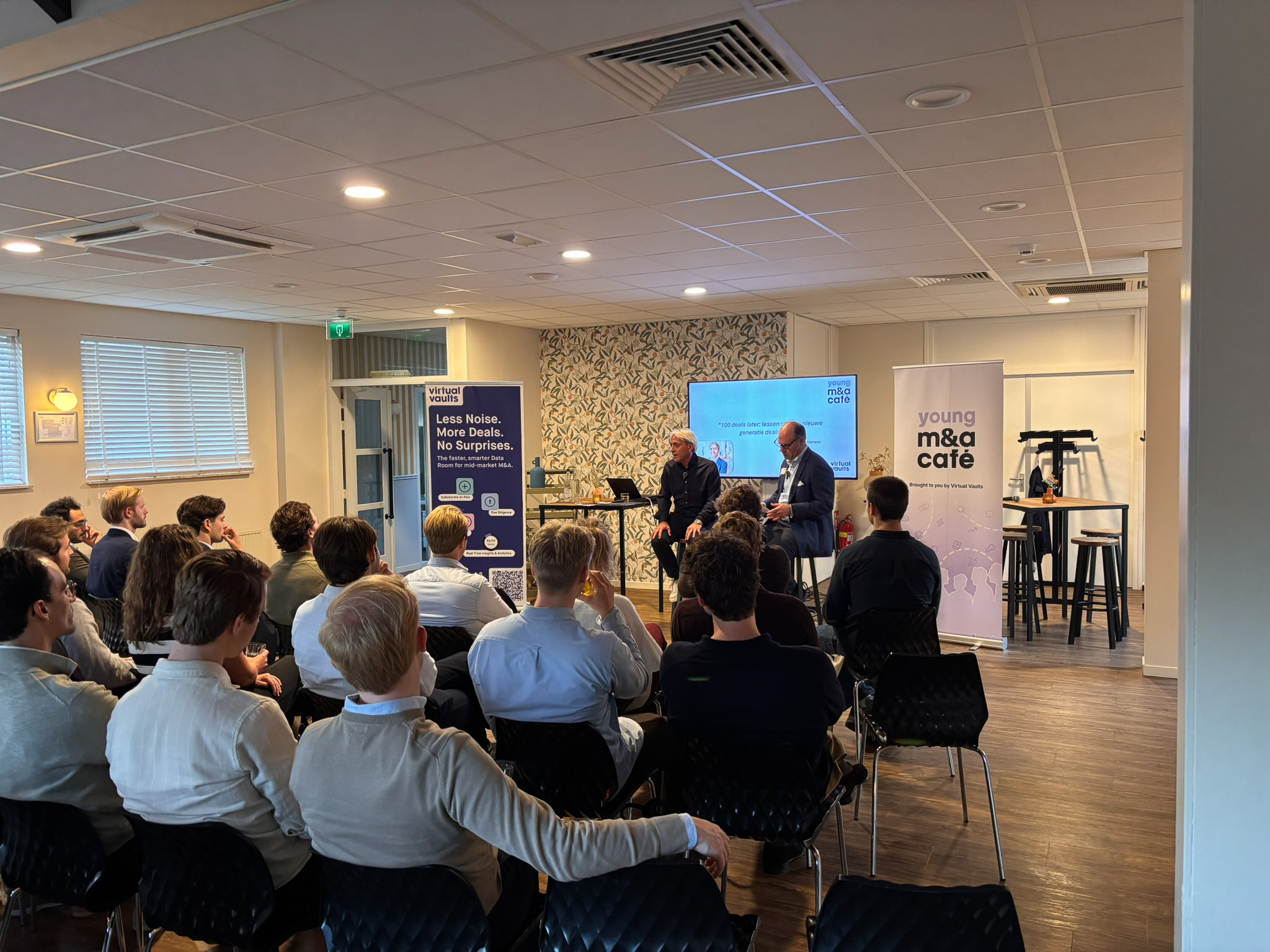
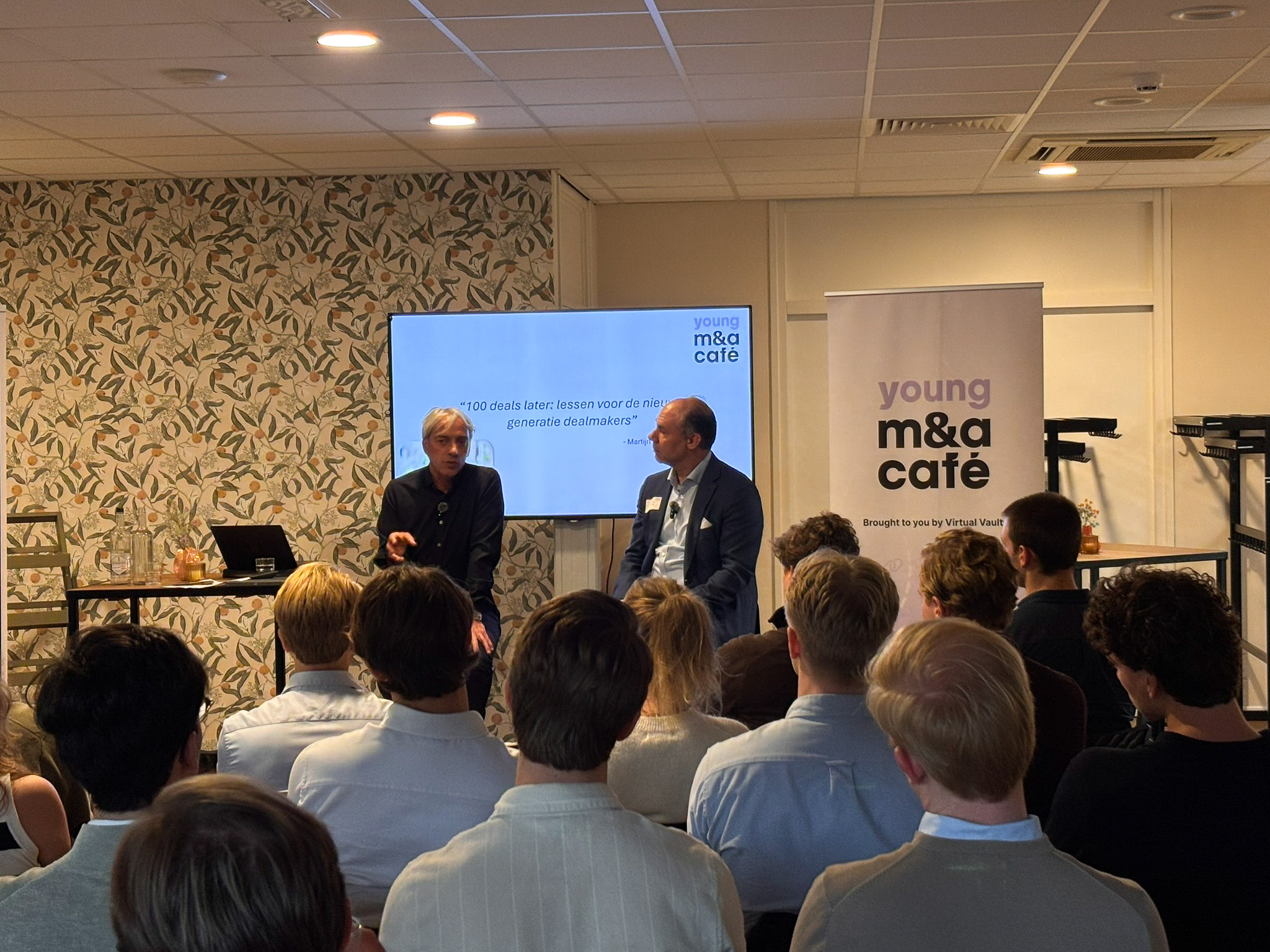
On Thursday 1 October, a new edition of the Young M&A Café took place in Amsterdam. Martijn Hamann, Partner at Endeit Capital, spoke with Jeroen Kruithof, CEO of Virtual Vaults, about his many years’ experience in M&A. From his early days in corporate finance and his time at Endemol to investing in technology companies. An open discussion about assessing entrepreneurs, negotiating, AI and the lessons he shares with young dealmakers.

From Corporate Finance to Investor

Hamann’s interest in M&A first emerged whilst he was still a student. Working for the then postal service, he sought out potential acquisition targets in countries including Germany, Belgium, France and England. It left him wanting more. He ended up at Endemol, where he became involved in international M&A in a market where television, media, the internet and telecoms were increasingly converging.

Later, he made the move into investment. This also changed his perspective on deals. When you are personally responsible for the return on an investment, enthusiasm alone is not enough. Hamann used to describe himself as “far too deal-driven”: always moving on to the next transaction. Over the years, he became more critical of his own convictions and more aware of the bias that can arise from enthusiasm for a deal.

IMG 2490
DSC05467 2
IMG 2430

Twenty minutes to get to the heart of the matter

How do you assess a potential investment? According to Hamann, this process begins right from the very first contact. A first impression is formed within seconds, after which he quickly tries to get to the most important questions during a conversation. What problem is the company solving? Is that problem significant enough? Is the market sustainable? How does the founding team work together? And what exit options are there in the long term?

The entrepreneur plays a key role in this. Hamann recounted an investment where there were internal doubts about the collaboration between two founders. Instead of pulling out straight away, he chose to meet them more often and get to know them better. Ultimately, he went ahead with the investment after all. According to him, the transaction turned out very well.

A deal you can move forward with together

When negotiating, Hamann pays particular attention to what happens after the transaction. In venture capital in particular, you often continue to work together for another five to seven years after an investment, and during that period you’ll experience both good and bad times.
That is why he believes it is important for both parties to leave the table on good terms. An investor who comes in at too high a price, or an entrepreneur who feels short-changed at the outset, will carry that feeling into the subsequent collaboration. His guiding principle is therefore a deal that creates a win-win feeling for both sides.

AI is changing the work of the dealmaker

The impact of AI on M&A was also discussed at length. Hamann is outspoken on this: in his view, the distinctive strength of young dealmakers will lie less and less in the analysis itself. AI can carry out a large part of that work more quickly, making it possible to assess more deals and prepare more comprehensive analyses. Martijn Hamann’s story
That does not mean the role of the dealmaker is disappearing. On the contrary, Hamann sees value in what people do with that information next: interpreting it, coming up with creative ideas and developing their own thesis. His advice to the audience was clear: embrace AI, experiment with it and learn to automate tasks and workflows.

Keep investing in relationships

At the same time, according to Hamann, a completely different aspect of the profession remains crucial: meeting people. As more and more information becomes available and much work can be done remotely, he believes there is a risk that young professionals will venture out less often. His advice is therefore to consciously build relationships with colleagues, investors, advisers and people on the other side of the table. At Endeit, he observes that good deals from young team members actually stem from contacts they have built up themselves. Because no matter how much technology becomes available, in M&A it still comes down to people being willing to do each other a favour.

IMG 2460
DSC05511
DSC05529

Want to join the next edition? Leave your details below and we'll keep you updated.